Differences Between Semaglutide and Trizepatide

March 31, 2025

Semaglutide vs. Tirzepatide: Understanding the Key Differences

In the world of weight management and diabetes treatment, medications like semaglutide and tirzepatide are gaining widespread attention. Both are effective tools for improving blood sugar control and aiding in weight loss, but they function differently and have unique characteristics. If you're curious about how these two medications compare, this blog will break it down for you.


1. What Are Semaglutide and Tirzepatide?

  • Semaglutide:
    Semaglutide is a GLP-1 (glucagon-like peptide-1) receptor agonist. It mimics the action of GLP-1, a hormone that helps regulate blood sugar levels, slows digestion, and reduces appetite. Popular brand names for semaglutide include
    Ozempic (for type 2 diabetes) and Wegovy (for weight management).
  • Tirzepatide:
    Tirzepatide is a newer medication that acts as a dual GIP (glucose-dependent insulinotropic polypeptide) and GLP-1 receptor agonist. By targeting two receptors, it offers enhanced effects on blood sugar control and appetite suppression.
    Mounjaro is a common brand name for tirzepatide.

2. Mechanism of Action

  • Semaglutide:
    Works primarily by enhancing insulin secretion, slowing gastric emptying, and reducing glucagon levels. These effects result in better blood sugar control and increased satiety, leading to weight loss.
  • Tirzepatide:
    Combines the effects of GLP-1 and GIP. While GLP-1 reduces appetite and slows digestion, GIP enhances insulin sensitivity and helps regulate fat storage. This dual-action mechanism may make tirzepatide more potent for certain individuals.

3. Indications

  • Semaglutide:
    Approved for managing type 2 diabetes and chronic weight management in adults with a BMI ≥27 (overweight) or ≥30 (obese).
  • Tirzepatide:
    Approved for type 2 diabetes treatment and currently under investigation for weight management. Studies suggest tirzepatide could potentially outperform semaglutide in weight loss.

4. Effectiveness in Weight Loss

  • Semaglutide:
    Clinical trials report weight loss of
    10-15% of body weight in most patients, depending on the dose and treatment duration.
  • Tirzepatide:
    Studies indicate
    15-20% weight loss, which is higher than semaglutide. This superior weight loss could be attributed to its dual-receptor mechanism.

5. Side Effects

  • Common for Both:
  • Nausea
  • Vomiting
  • Diarrhea
  • Constipation
  • Headache
  • Differences:
  • Tirzepatide may cause more gastrointestinal discomfort initially due to its dual action.
  • Semaglutide is better studied, so its long-term safety profile is more established.

6. Administration and Dosage

  • Semaglutide:
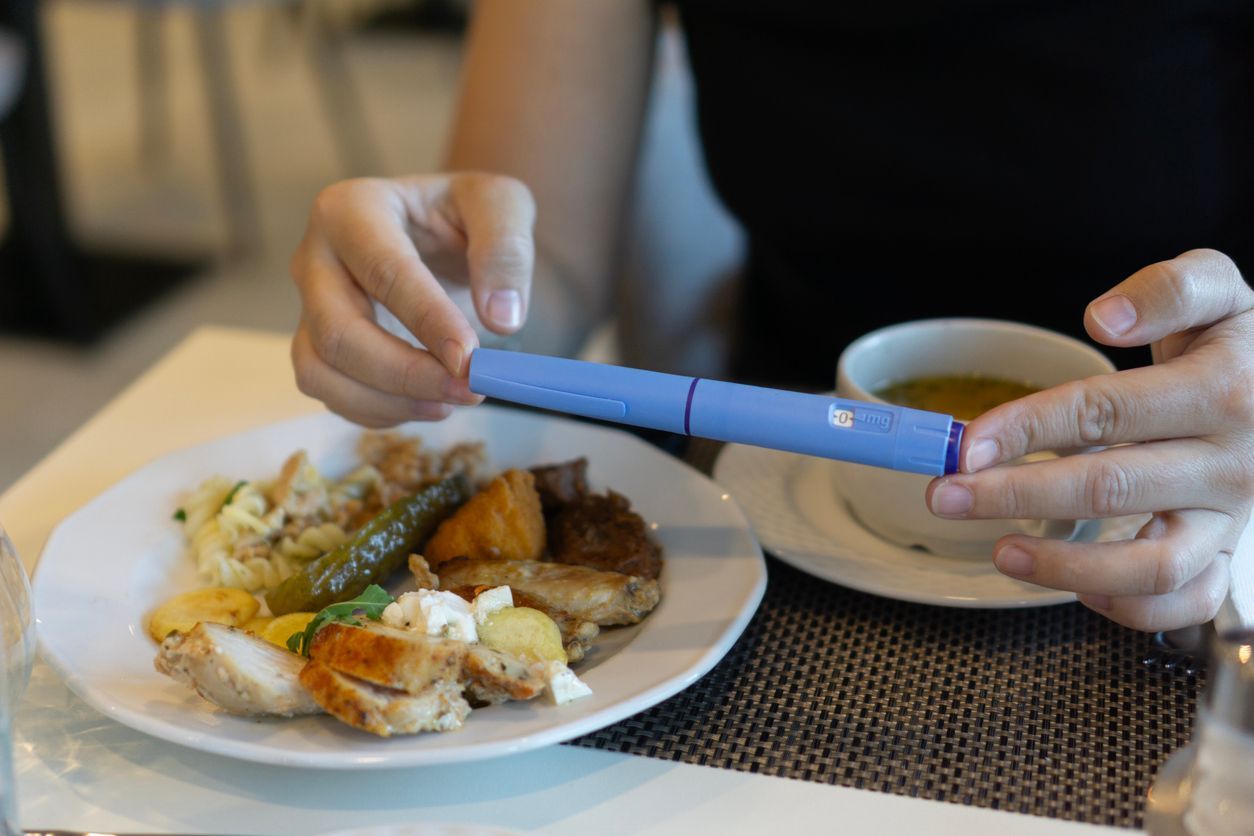
  • Administered via weekly subcutaneous injections.
  • Oral semaglutide is available but less commonly used for weight management.
  • Tirzepatide:
  • Administered as a weekly subcutaneous injection, similar to semaglutide.

7. Cost and Availability

  • Both medications can be expensive, especially without insurance coverage. Semaglutide is more widely available as it has been on the market longer, while tirzepatide is newer and may be harder to access in some regions.

8. Which Is Right for You?

Choosing between semaglutide and tirzepatide depends on your health goals and medical history.

  • If weight loss is your primary goal, tirzepatide may offer a slight edge.
  • For those who prefer a well-established medication with a proven track record, semaglutide is a reliable choice.


Both semaglutide and tirzepatide represent significant advances in the treatment of type 2 diabetes and weight management. Consult with your healthcare provider to determine which medication aligns best with your health needs. As always, a healthy diet, regular exercise, and ongoing medical supervision are crucial for achieving the best outcomes.

Have questions about these medications? Drop them in the comments below!
May 1, 2026
If you have been working hard to lose weight but are not seeing the results you want, you are not alone. Many people reach a point where diet and exercise alone are not enough to overcome slow metabolism, low energy, or hormonal changes. At Hixson Weight Loss and Shot Center, peptide therapy is offered as part of a medically supervised approach to help support your weight loss and wellness goals. What Are Peptides? Peptides are naturally occurring compounds in the body made up of amino acids. They help regulate many important functions such as metabolism, appetite, and how the body uses energy. As we age, the body may produce fewer of these signaling compounds, which can contribute to weight gain, fatigue, and difficulty maintaining muscle. Peptide therapy is designed to support these natural processes and help your body function more efficiently. How Peptides May Support Weight Loss At Hixson Weight Loss and Shot Center, peptide therapy is used as part of a personalized program. Depending on your needs, peptides may help support weight loss by: Encouraging healthier metabolic function Supporting appetite control Helping maintain lean muscle while losing weight Working alongside other medical weight loss treatments It is important to understand that peptide therapy is not a quick fix. It works best when combined with proper nutrition, lifestyle changes, and guidance from a medical professional. Additional Wellness Benefits Many patients are interested in peptide therapy not only for weight loss but also for overall wellness support. Some individuals may experience: Improved energy levels Better recovery from workouts or daily activity Support for healthy aging Enhanced overall sense of well being Results can vary, which is why medical supervision and a customized plan are important. A Personalized Approach to Care One of the key benefits of choosing Hixson Weight Loss and Shot Center is the individualized care each patient receives. Your provider will evaluate your health history, current goals, and lifestyle before recommending any treatment. This ensures that your plan is tailored specifically to you rather than using a one size fits all approach. Why Choose Hixson Weight Loss and Shot Center Hixson Weight Loss and Shot Center focuses on safe, medically guided treatments designed to support long term success. Patients benefit from Professional medical oversight Customized weight loss programs Supportive and knowledgeable staff A focus on realistic and sustainable results Their goal is to help you feel better, improve your health, and build confidence in your progress. Take the Next Step Toward Your Goals If you are ready to explore a new approach to weight loss and wellness, peptide therapy may be an option worth considering. Schedule a consultation with Hixson Weight Loss and Shot Center to learn more about how a personalized plan can support your goals.
April 17, 2026
If you’ve been working hard on your weight loss journey and suddenly the scale stops moving, you’re not alone. Plateaus are one of the most common — and frustrating — parts of the process. The good news? A plateau doesn’t mean failure. It usually means your body is adapting, and it’s time to adjust your approach. At Hixson Weight Loss Center, we help clients navigate these moments with personalized strategies that keep progress moving forward. Why Weight Loss Plateaus Happen When you first start a weight loss program, your body responds quickly to changes in diet, activity, and metabolism. But over time, your body becomes more efficient — meaning it burns fewer calories doing the same things. Some common reasons for a plateau include: Metabolic adaptation (your body conserving energy) Loss of muscle mass along with fat Inconsistent nutrition habits Increased stress or poor sleep Your body simply needing a new stimulus This is completely normal — and fixable. Signs You’ve Hit a Plateau You might be experiencing a plateau if: Your weight hasn’t changed for 2–4 weeks Measurements and body composition remain the same Your energy or motivation has dropped You’re following your plan but not seeing results Instead of getting discouraged, this is the perfect time to reassess and refine your plan. How to Break Through and Start Seeing Results Again 1. Adjust Your Nutrition Strategy As your body changes, your nutritional needs change too. Small tweaks — like increasing protein, adjusting portion sizes, or improving meal timing — can make a big difference. At Hixson Weight Loss, our nutrition coaching ensures your plan evolves with your progress. 2. Build or Maintain Lean Muscle Muscle plays a key role in keeping your metabolism active. If you’re losing weight without strength training, your metabolism may slow down. Adding resistance exercises (even light ones) can help your body burn more calories at rest. 3. Reevaluate Your Medical Weight Loss Plan Sometimes your body needs a clinical adjustment. Medications like semaglutide or tirzepatide are designed to support appetite control and metabolic function, but dosing or strategy may need refinement over time. This is where medically supervised programs stand out — they adapt with you. 4. Track Progress Beyond the Scale The scale doesn’t tell the whole story. You could be losing fat and gaining muscle at the same time. Tools like 3D body scanning can reveal: Inches lost Body fat percentage changes Muscle development Tracking these metrics can be incredibly motivating and more accurate than weight alone. 5. Prioritize Sleep and Stress Management Hormones play a major role in weight loss. Poor sleep and high stress can increase cravings, slow metabolism, and make fat loss more difficult. Simple improvements like better sleep routines or stress reduction techniques can restart progress. 6. Stay Consistent — Not Perfect One of the biggest mistakes people make during a plateau is giving up too soon. Sustainable weight loss isn’t about perfection — it’s about consistency over time. Even when progress slows, your healthy habits are still working behind the scenes. Why Medical Guidance Makes the Difference Unlike generic diet plans, a medically supervised program is designed to evolve with your body. At Hixson Weight Loss Center, every plan is personalized, monitored, and adjusted based on your progress, ensuring you never feel stuck for long. Regular check-ins, expert support, and advanced tools help identify exactly what your body needs next. Final Thoughts: A Plateau Is a Turning Point — Not the End A weight loss plateau isn’t a sign to quit — it’s a sign to level up your strategy. With the right adjustments, support, and mindset, you can push past the stall and continue making progress toward your goals. If you’re feeling stuck, it may be time for a personalized plan that works with your body — not against it. Ready to break through your plateau? Schedule your free consultation with Hixson Weight Loss Center today and take the next step toward lasting results.
February 10, 2026
Weight loss can be challenging, especially for individuals who have tried diet and exercise plans without seeing lasting results. GLP-1 weight loss programs are gaining attention as a medically guided option that helps support long term weight management by working with the body, not against it. What Is GLP-1 Weight Loss? GLP-1 refers to a group of medications that help regulate appetite and support how the body processes food. These programs are typically supervised by medical professionals and are designed to help individuals feel fuller longer, reduce cravings, and develop healthier eating patterns. Rather than focusing on extreme calorie restriction, GLP-1 weight loss supports natural signals in the body that influence hunger and fullness. How GLP-1 Supports Weight Management Many people struggle with constant hunger, portion control, or metabolic challenges that make weight loss difficult. GLP-1 programs help by slowing digestion and reducing appetite, making it easier to maintain consistent and balanced eating habits. When appetite is better managed, individuals often find it easier to stick with lifestyle changes that support steady and sustainable weight loss. A Medically Guided and Personalized Option One of the key benefits of GLP-1 weight loss programs is medical oversight. Each plan is typically tailored to the individual, with regular check ins to monitor progress, adjust treatment as needed, and ensure safety. This personalized approach helps address the unique factors that contribute to weight gain and supports healthier habits over time. Long Term Focus, Not Quick Fixes GLP-1 weight loss is not about rapid or temporary results. It is designed to support long term success when combined with proper nutrition, physical activity, and lifestyle changes. The goal is to help individuals build healthier routines they can maintain beyond the program. With professional guidance and realistic expectations, GLP-1 weight loss can be a valuable tool for those seeking a more effective and sustainable approach to managing their weight. Starting with the right support can make a meaningful difference on the path toward better health and confidence.
Doctor taking notes while speaking with a seated patient in a bright exam room
December 23, 2025
Learn what to expect your 1st month on a medical weight loss program with expert care from Hixson Weight Loss in Chattanooga, TN - consultation, nutrition, & results
September 11, 2025
Shift gears with smart seasonal changes, advanced treatments, and expert support from Hixson Weight Loss Center - your partner in sustainable weight loss year-round.
August 22, 2025
Jumpstart Your Fall Fitness Goals with Non-Invasive Treatments and Personalized Wellness Plans
July 16, 2025
Track real results with a 3D Body Scan - a smarter way to lose weight.
July 8, 2025
Discover Why the Emerald Laser is the Top Choice for Weight Loss and Fat Reduction Near You
A woman is sitting on a yoga mat in a park.
May 9, 2025
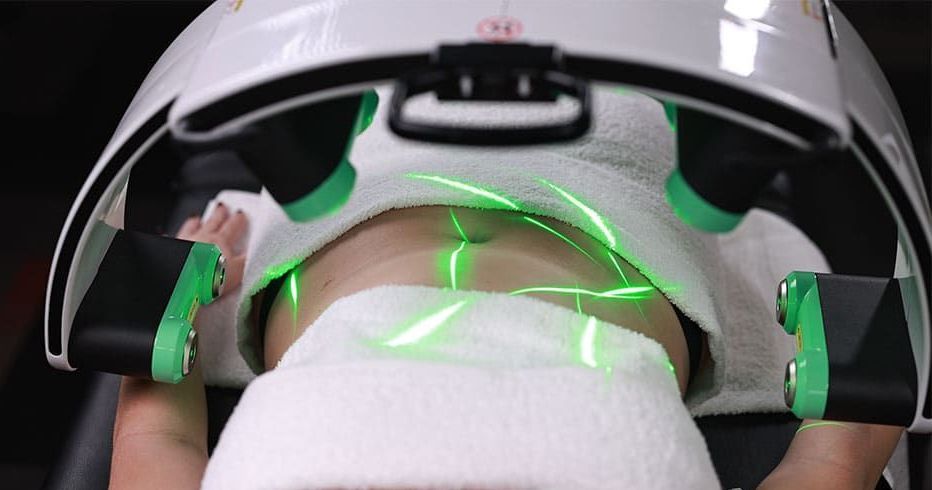
Shrink fat and track progress with Emerald Laser Lipo and Styku 3D scans at Hixson Weight Loss in Chattanooga. Safe, non-invasive, proven results.
A healthy woman is eating a sandwich and drinking orange juice in a kitchen.
April 23, 2025
Looking for NAD⁺ therapy in Chattanooga, TN? Hixson Weight Loss offers NAD⁺ to support metabolism, energy, & fat loss.